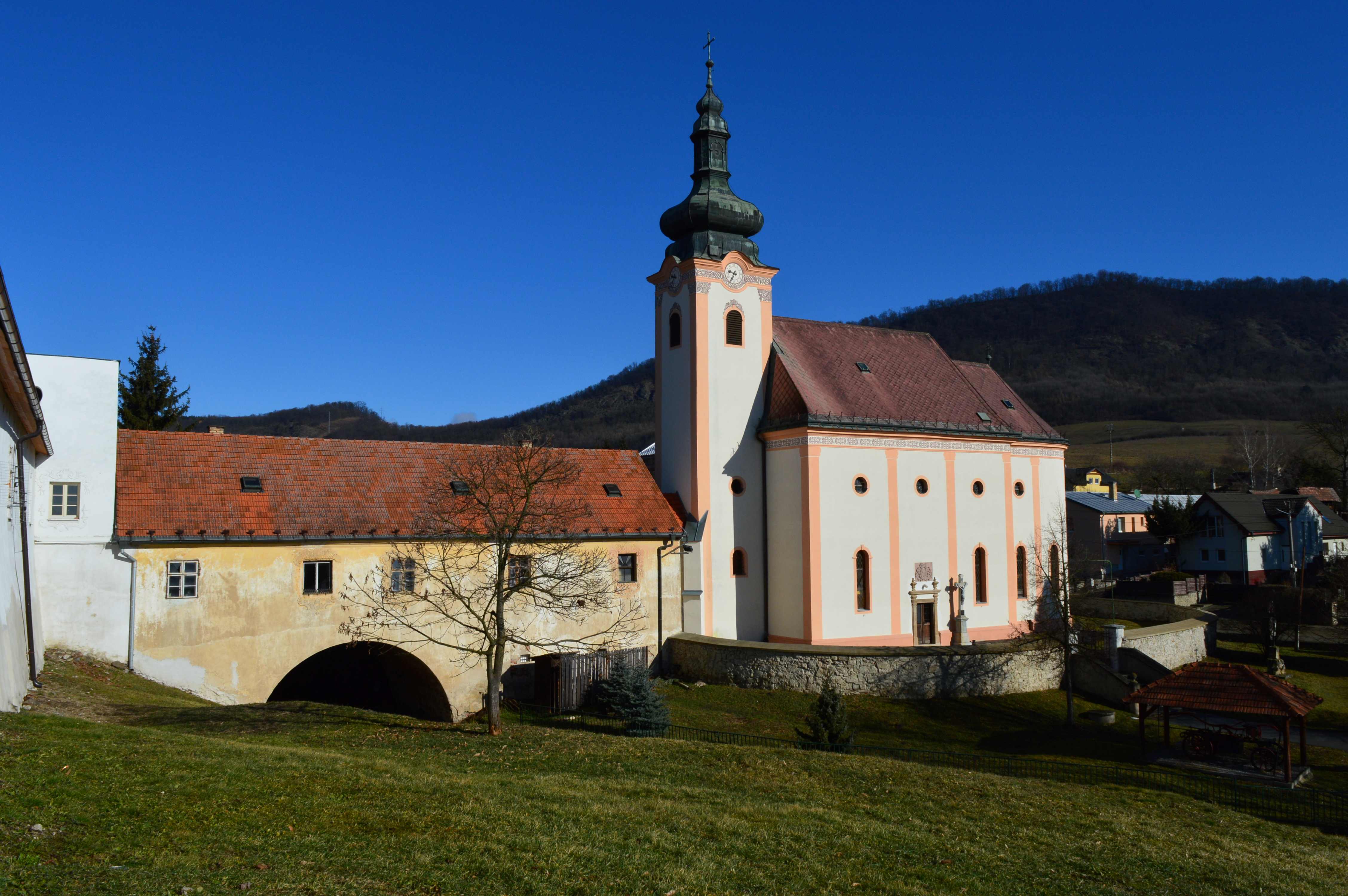
Just a five-minute drive from Prešov, a bustling city in the east of Slovakia, lies the village of Fintice. Once a settlement of royal border guards, the village grew around a stream and a mansion whose first owner was presumably a nobleman from Slavonia.
Changing times
As it changed hands over the centuries, the original gothic residence was remodelled and enlarged; another tower was added to the main house, as well as new wings and outbuildings.
Most of the documented building activity is attributed to the Dessewffy family, who owned the place for over two hundred years. During their time in Fintice, the mansion grew into an estate with its own stables, barns, ice house, bakery and servants’ quarters. The family also rebuilt a nearby church, and connected it to their living chambers via an ingenious corridor over the village stream.
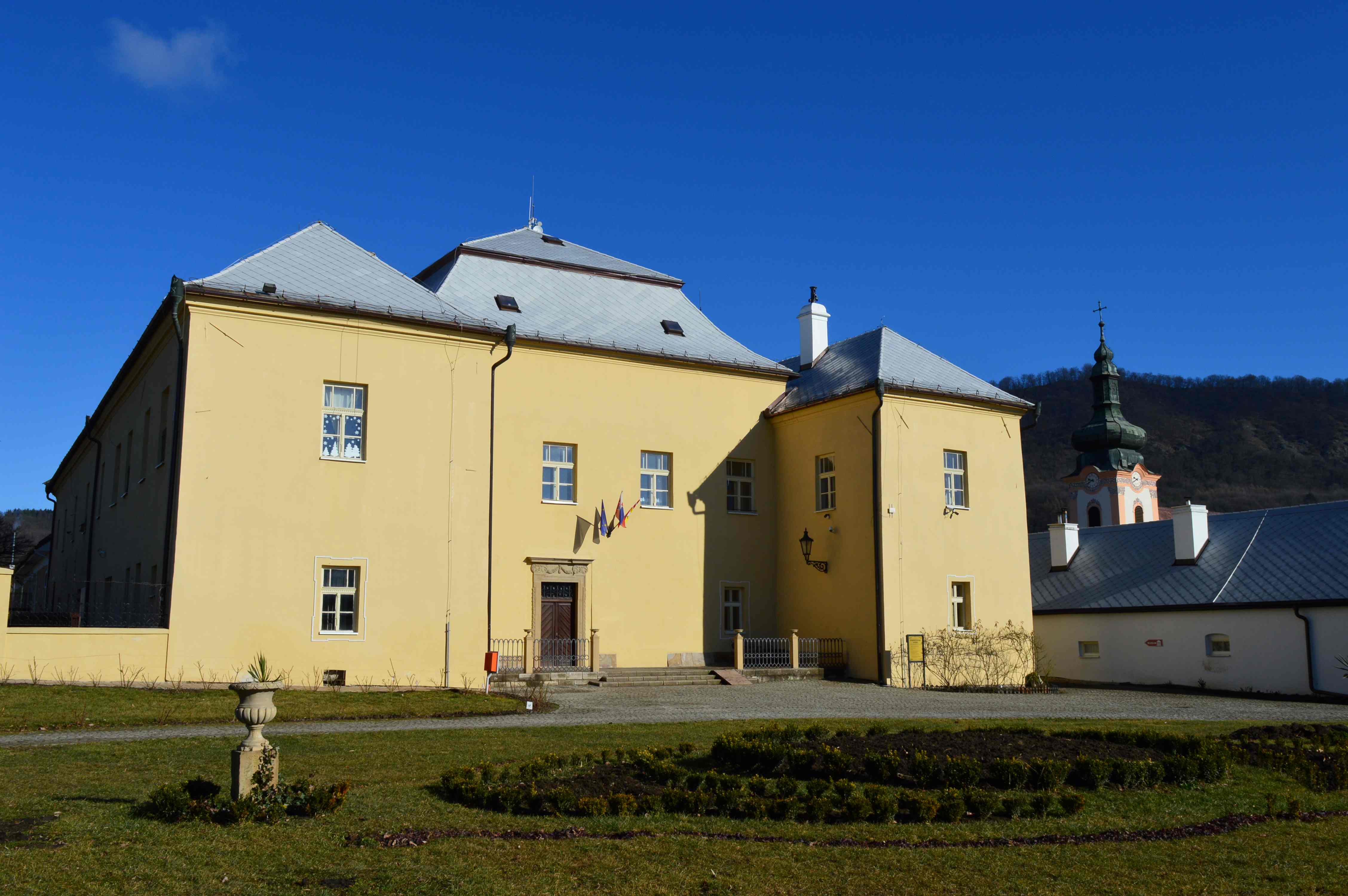
Like most aristocratic homes in Slovakia, Fintice Manor was confiscated by the communist government in the 1940s and turned into a storehouse. It wasn’t until recently that major reconstruction works have begun inside and outside the manor. Thanks to the village community and regional authorities, the manor is now getting attention and care it deserves.
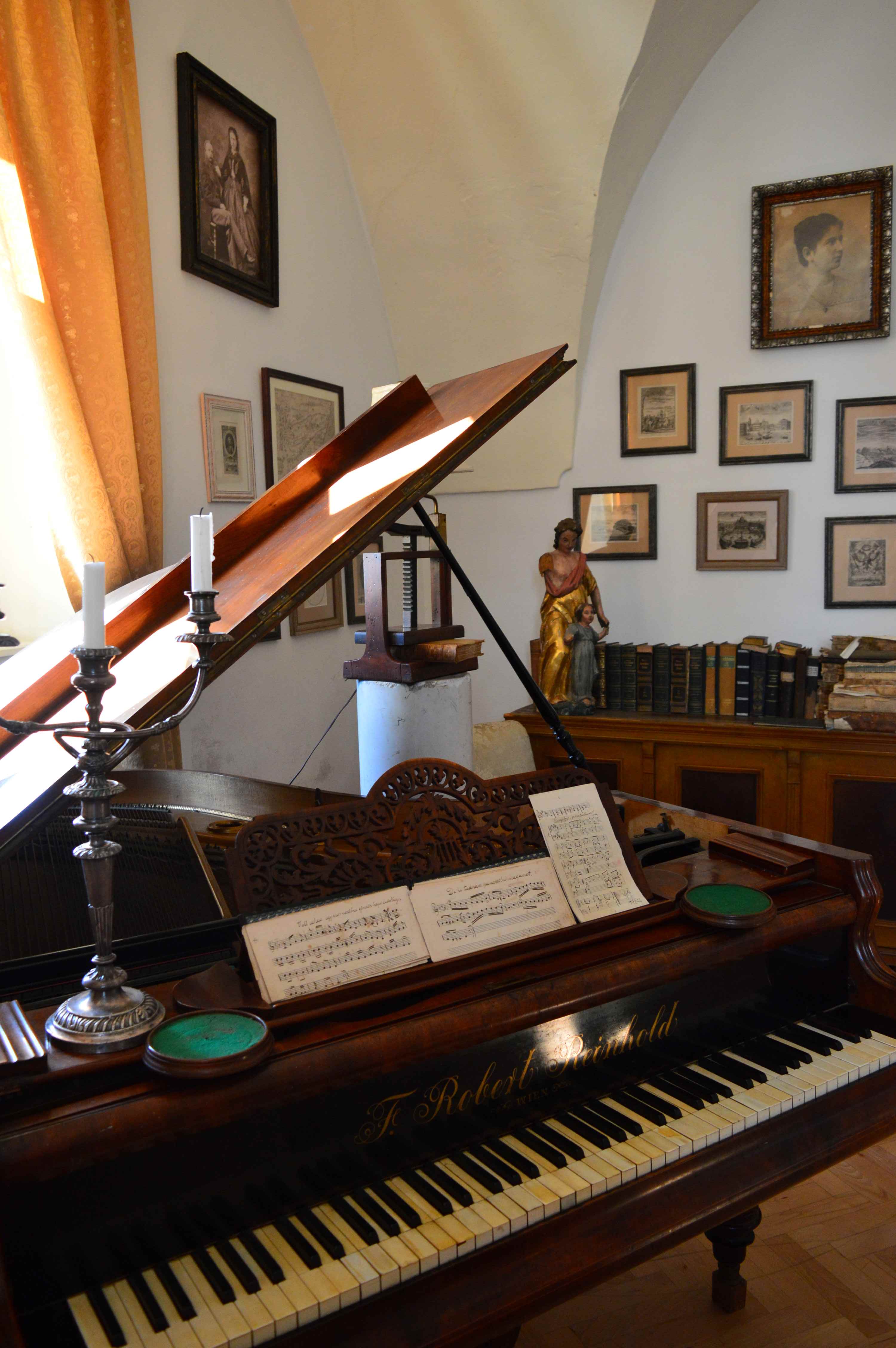
There is much to be seen in the grounds of Fintice Manor these days. A gallery and a museum of regional arts & crafts, a collection of valuable porcelain found in the toilet shaft during the reconstruction in 2016. Historical documents of the various noble lineages, ancient books and music sheets of the Dessewffy family, who were well-versed in music (it is said that Beethoven visited the place in 1801).
Meticulously restored wall paintings in The Coats of Arms Hall are considered historical and artistic gems. The tastefully renovated baroque barn now serves as a cultural venue for private and public events, including concerts, exhibitions, weddings and receptions.

‘Black kitchens’ of the past
The most recent addition to the list of the manor’s treasures has been an authentic bakery from 300 years ago. The first mention of a craft bakery on the site comes from 1702. A great deal of renovation and construction took place under the Dessewffy’s ownership, when the bakery became part of the family’s ‘black kitchen’ (čierna kuchyňa) located across from the main entrance to the house.
It is believed that the bakery’s hot heart had beaten until 1940s when the last aristocratic owners had to leave the property and the buildings were repurposed to accommodate working classes. Some rooms were later turned into a day care centre for the village elders, others served as storerooms.
In 2023 a decision was made by the museum management and local authorities to recreate the 18th century atmosphere of the place. The traditional oven was built by a local master using natural materials like clay, sand and straw. The original black kitchen was restored to its past glory and fitted out with period utensils.
Why ‘black kitchen’ (čierna kuchyňa), you may ask? It is how our historians and ethnographers refer to medieval and early modern kitchens, where cooking was done over an open fire set in the middle of the room, or in an open hearth near the wall. The chimney was a new invention and the fumes from cooking weren’t extracted as effectively as they are today, which imparted that ‘dark, smoky and sooty’ look to the kitchen walls.

If you want to see what kitchens looked like three centuries ago, Fintice Manor House is the right place to go. The Gallery and Museum are open Monday – Friday, 9am – 2pm, and by appointment on Saturdays & Sundays. You can call +421 949 288 332 or email muzeumfintice@hotmail.com to book.
A taste of the Šariš region
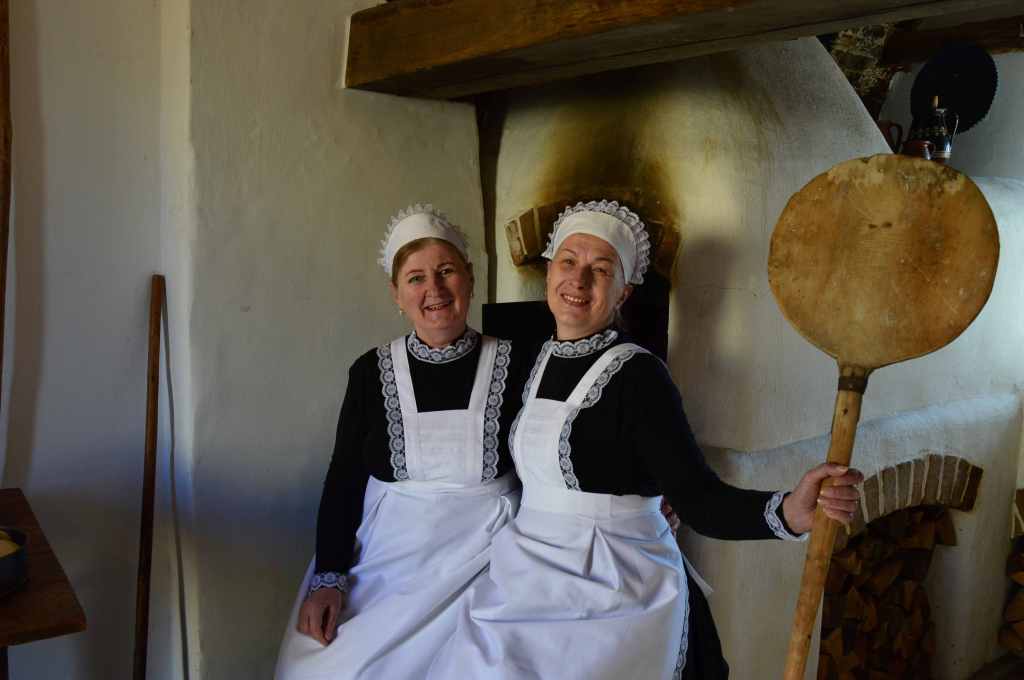
If you wish to get a hands-on experience of baking your own bread or pastry, there’s a chance to take part in one of the many workshops organized by the museum. You will be dressed in period costumes from the 18th century and assisted by the dedicated museum staff, who will teach you how to make traditional specialities of the Šariš region. You may bake nut or cheese filled kolatche, cabbage buns, poppyseed rolls, or Paska – a ceremonial Easter bread.
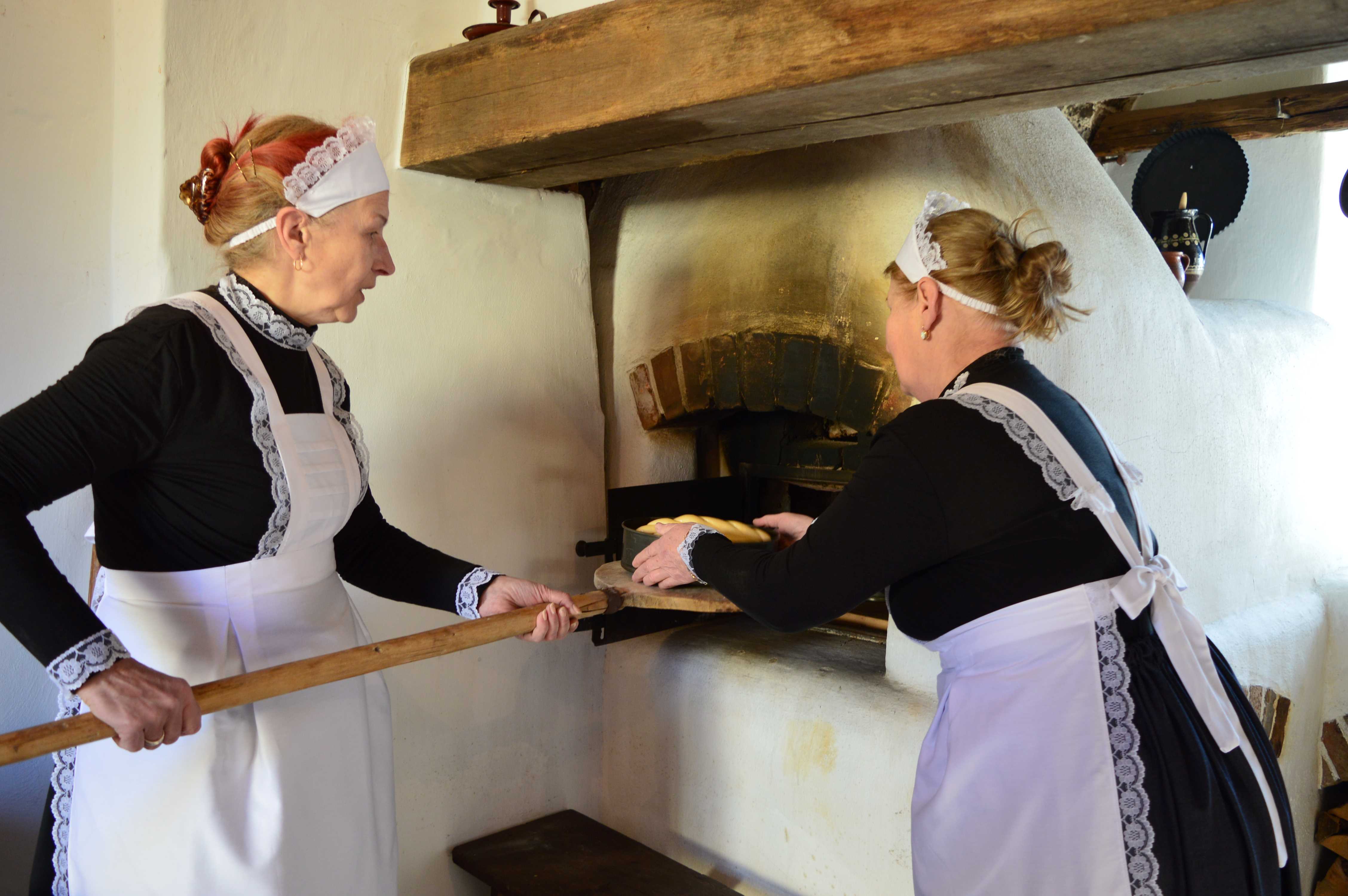
A workshop for groups of up to 10 persons takes 3 – 4 hours. Children supervised by an adult are also allowed. Check the bakery’s website for pictures of the previous workshops to get a better idea of what to expect.
Unfortunately, there is no English version of the website at the moment, but the English-speaking director of the museum will be able to give you more details at either +421 949 288 332 or muzeumfintice@hotmail.com

 cookslovak
Tell us what you think