When I was visiting my friends last summer, their organic garden abounded in all sorts of fruit and vegetables. Tomatoes, leafy greens, apples, peaches, berries and currants were there to be picked at whim.
I loved eating them fresh from the tree or filling my bowl with juicy berries straight from the shrubs, but there were too many to cope with, even for the six of us. We had to think of how to preserve that load of goodness for cold winter days with much less sunshine and fewer natural vitamins at hand. So we made a redcurrant jam, a blackcurrant jam, and a seaberry one as well.
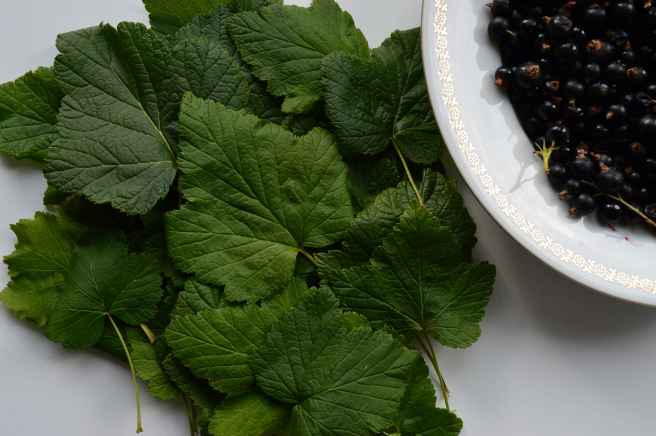
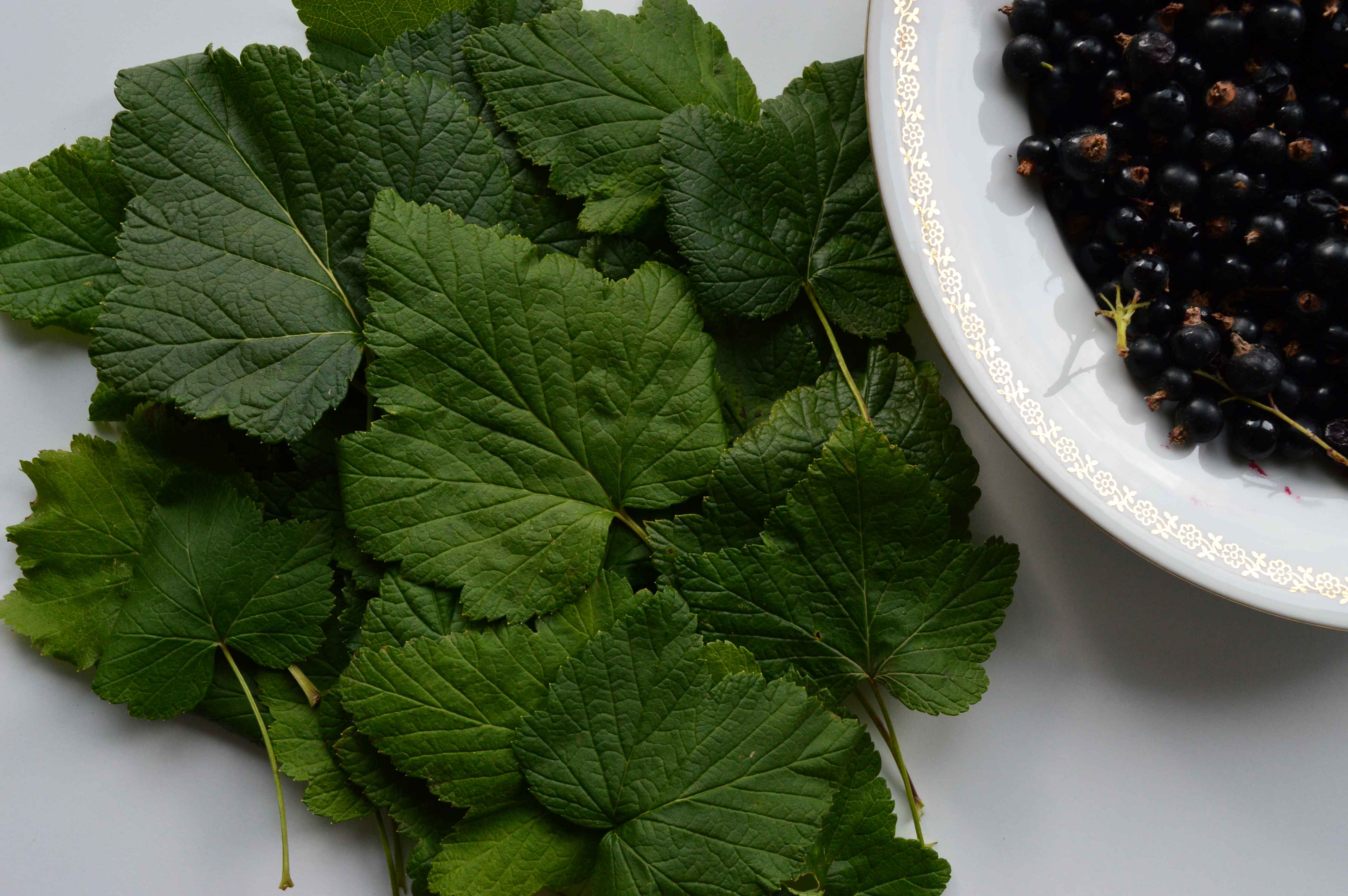
As I was harvesting blackcurrants, I was told that the plant’s leaves are very good for your health, so I picked a few handfuls of those, too. They are supposed to be brewed into tea, but that’s not what your body calls for on a hot summer day.
Instead, I decided to dry the leaves for later use. While searching for ideas on the internet, I came across a Slovak website that suggests fermenting the leaves before drying. There’s no big science involved though – all you need is time and a few basic kitchen utensils.
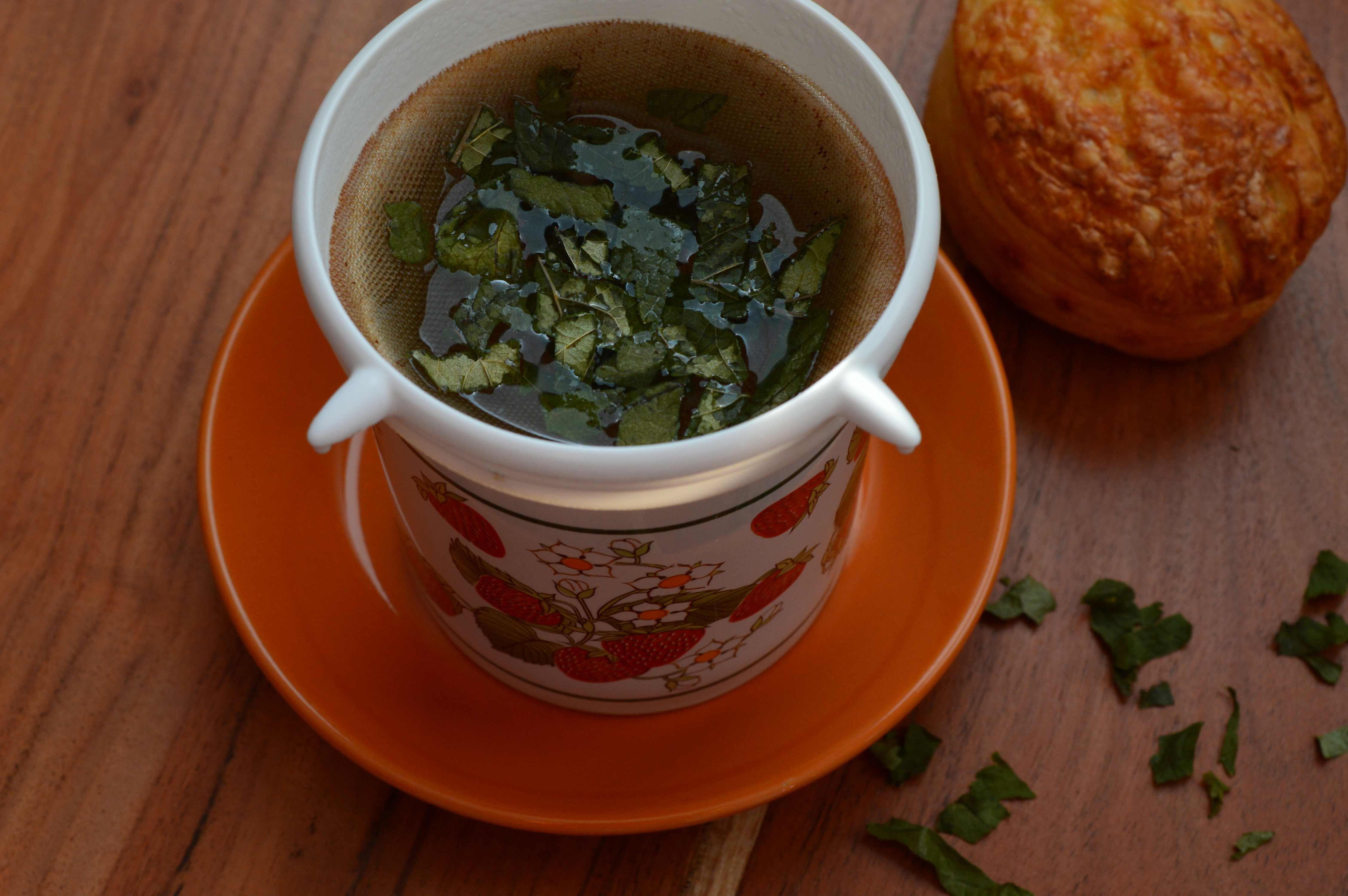
Fermented Blackcurrant Leaf Tea
Ingredients:
- freshly picked blackcurrant leaves
Instructions:
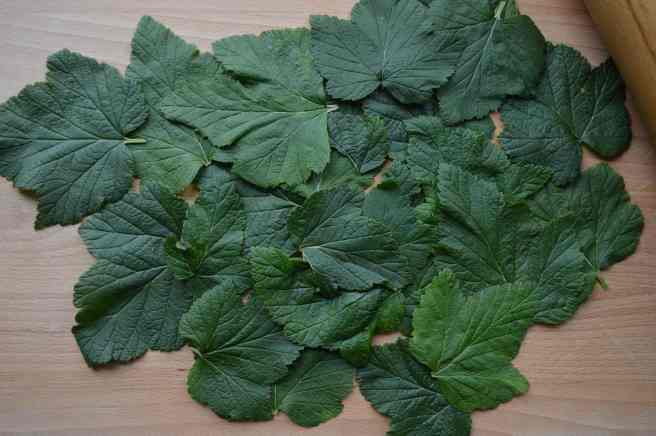
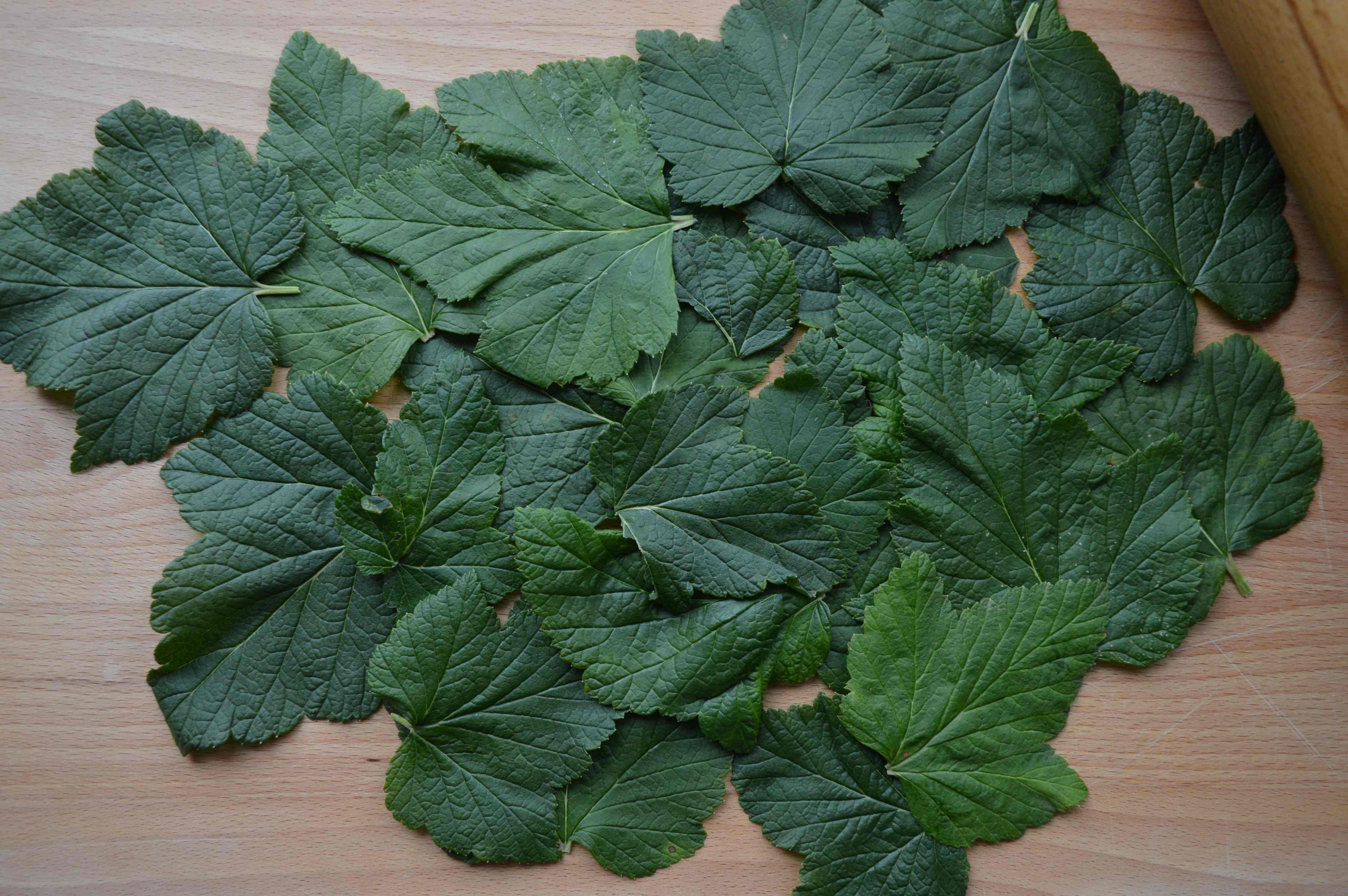
- Put the blackcurrant leaves on a worktop and let them wilt for a few hours or overnight.
- With a rolling pin, bruise the wilted leaves by rolling over them. As you disturb their structure, the leaves will release juices and a strong aroma. They will also turn darker in colour.
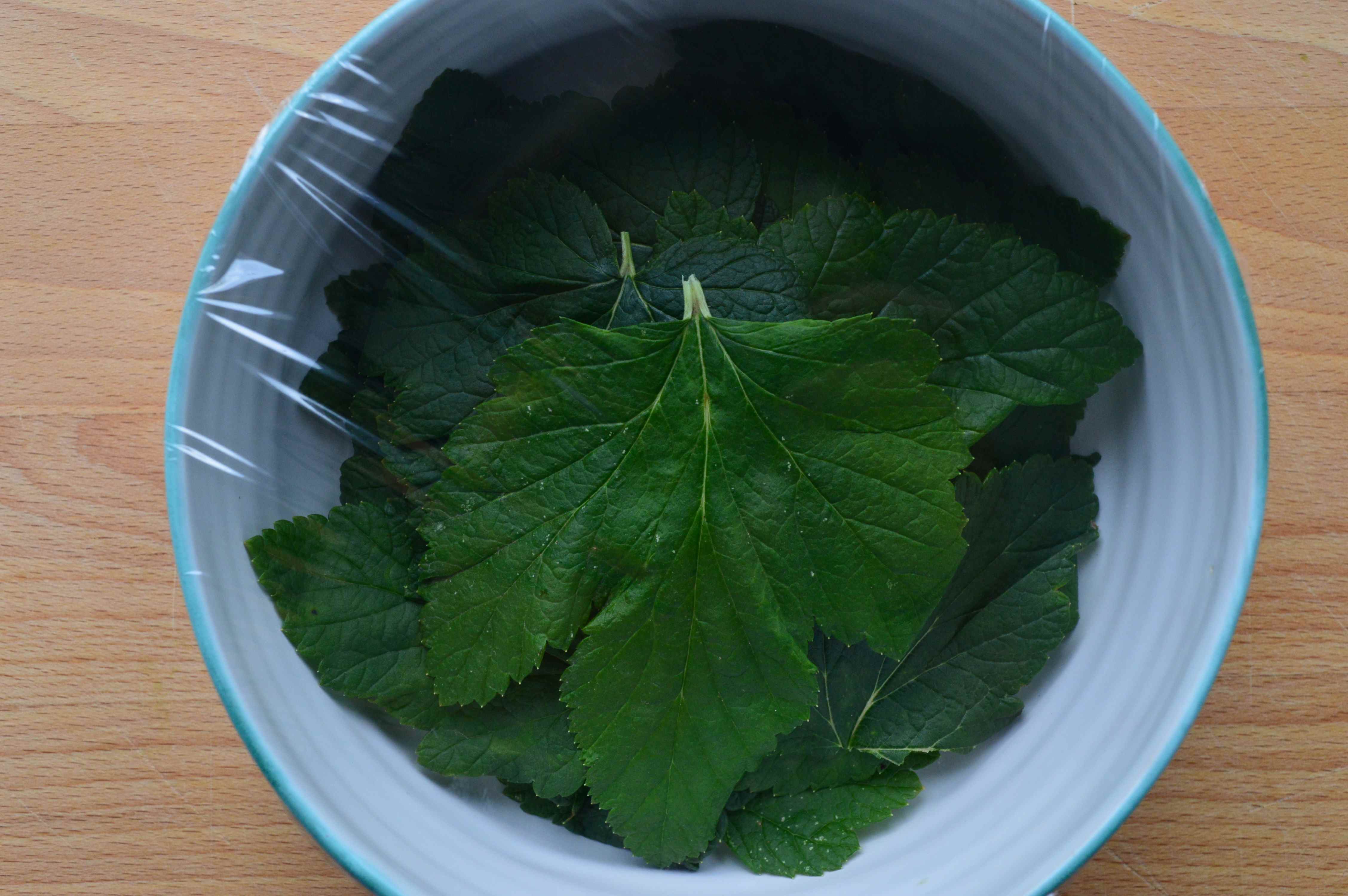
- Place the leaves in a large enough bowl and cover with clingfilm. Let stand for 24 hours or longer, depending on the ambient temperature and humidity. The longer you ferment, the more intense the flavour and the aroma of your tea.
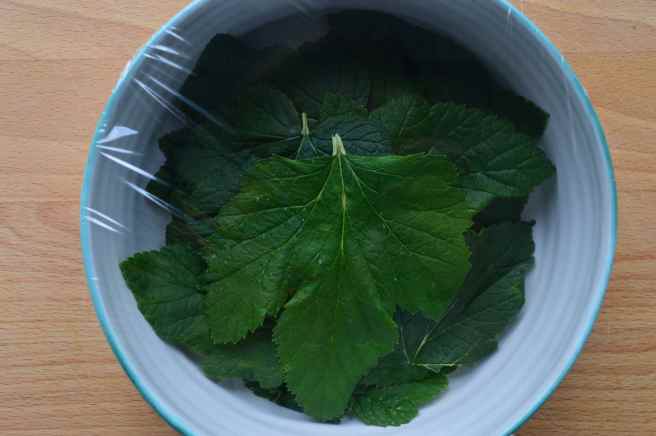
- Cut the leaves into strips and let dry in a thin layer until they are friable. Gently transfer to an airtight container and store in a dark, dry place. This way the leaves will keep for years.
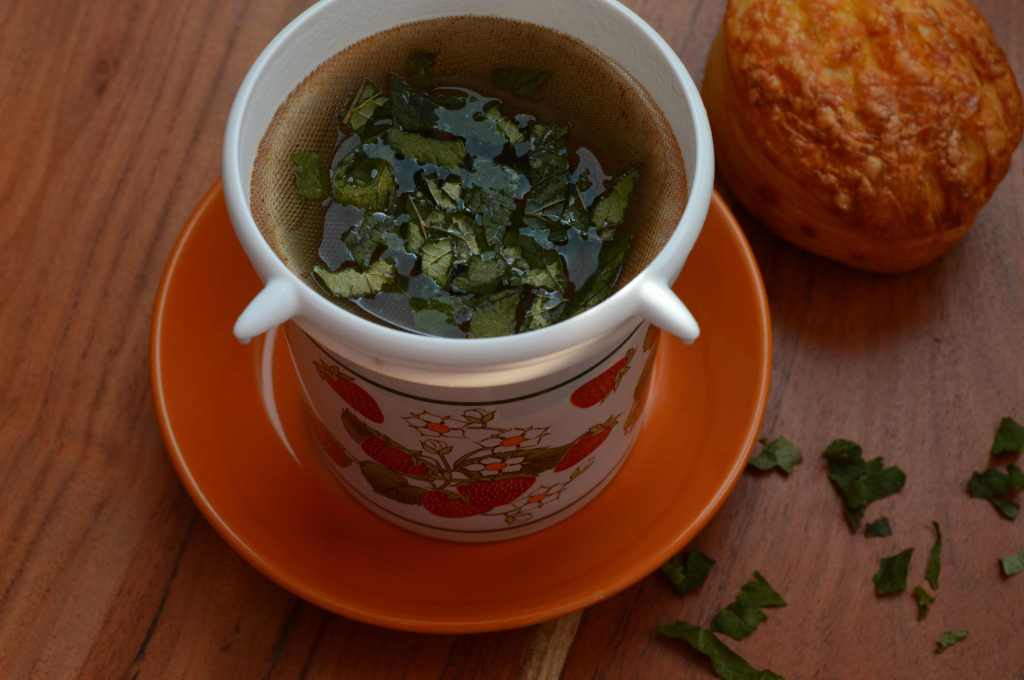
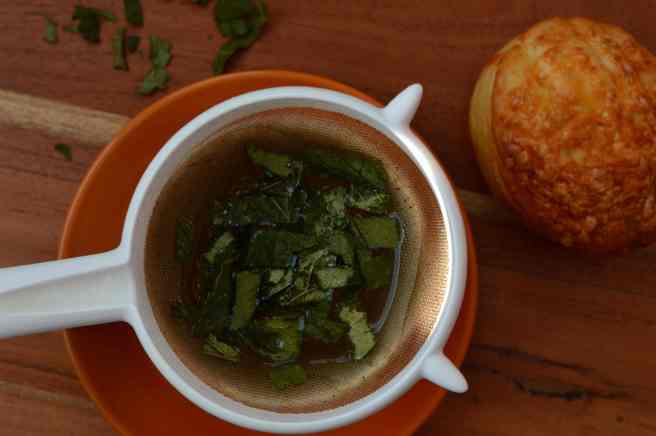
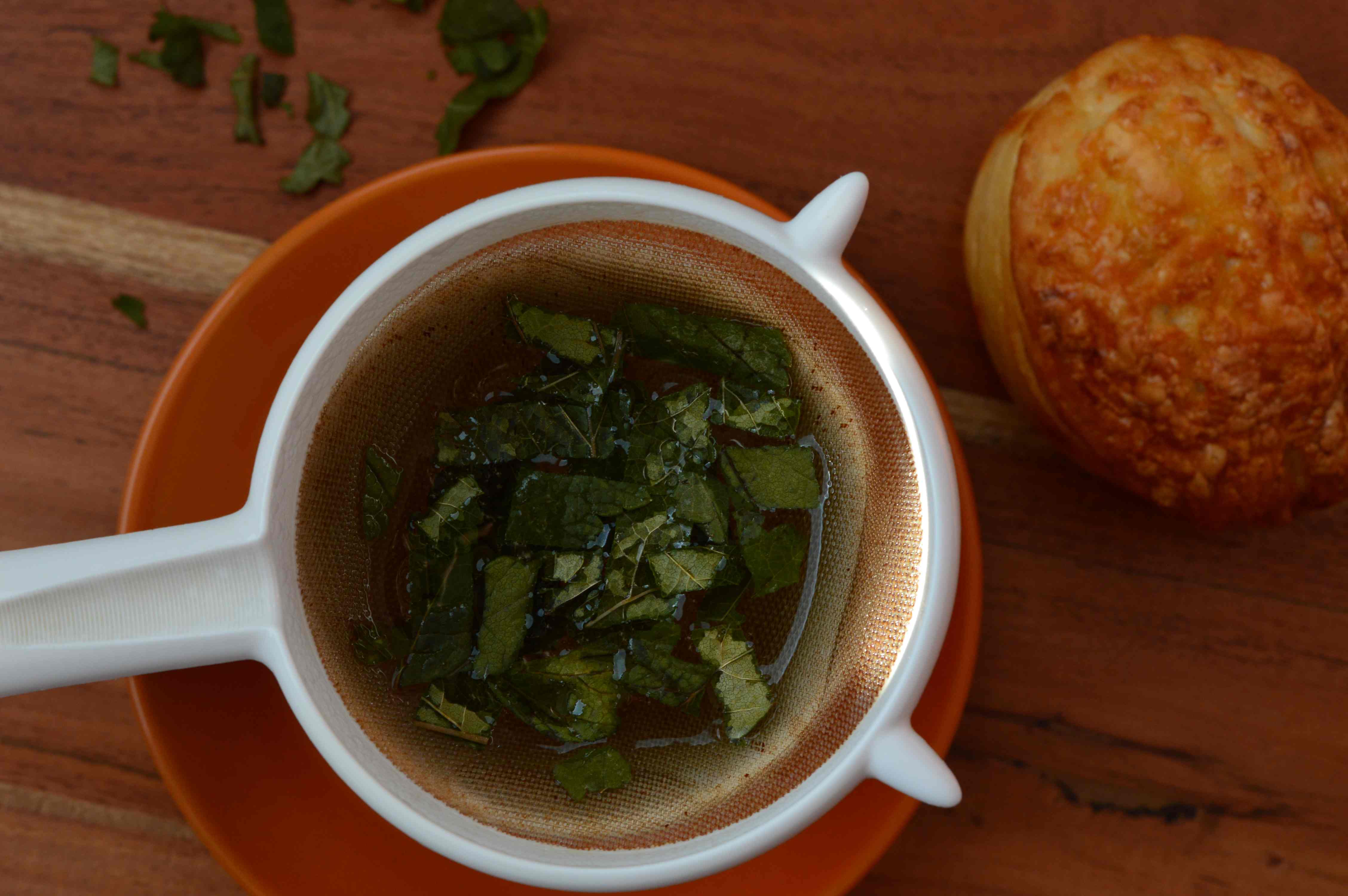
- To make tea, place a few dried leaf strips into a strainer fitted over a cup or mug. Pour in enough boiling water to cover the leaves and let them brew for 10 – 15 minutes.
- Remove the strainer and enjoy your tea. It is more potent when you drink it warm, but you can also cool it down if that is your preference.
I’m not going to write about potential health benefits of drinking a blackcurrant tea, because most internet sites say they have yet to be proven. I can tell you though that I fully embraced the smooth, earthy taste of my cup. I firmly believe that these simple gifts of Mother Nature can only do us good if taken in moderation. Wouldn’t you agree?
 cookslovak
Tell us what you think