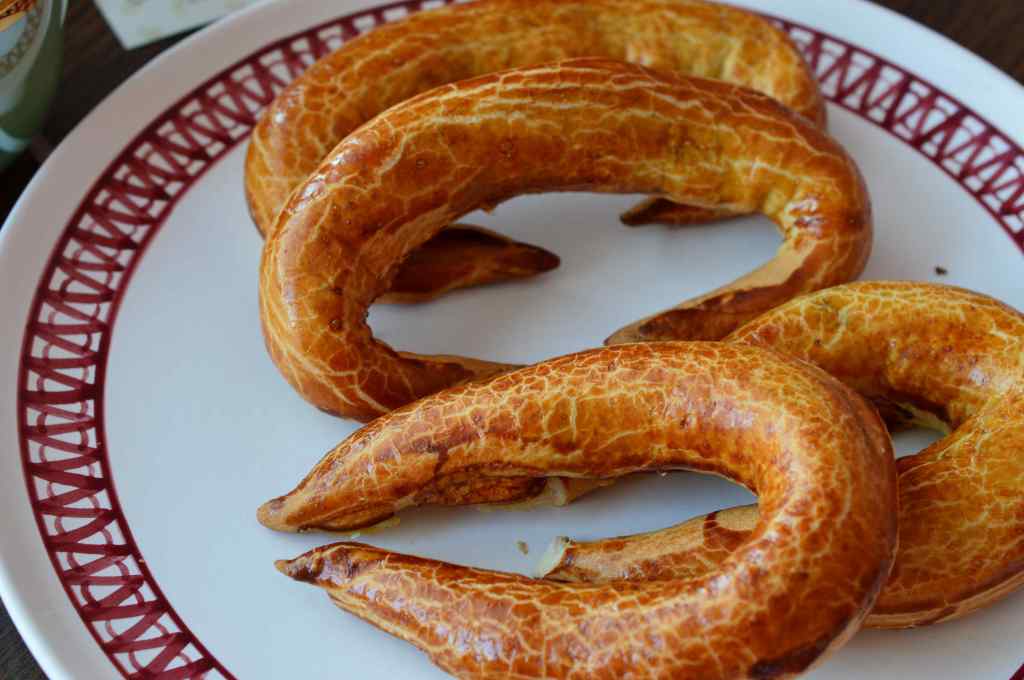
They grace the covers of the Spring Book – the latest addition to A Taste of Slovakia series. Bratislavské rožky (Bratislava’s rolls) are sold at most bakeries and cafés in Bratislava – the capital of Slovakia. Whatever food tour you’ll take part in, you are sure to taste the sweet, nut or poppyseed filled rolls that are so closely connected to the city’s history as Bratislava’s legendary castle.
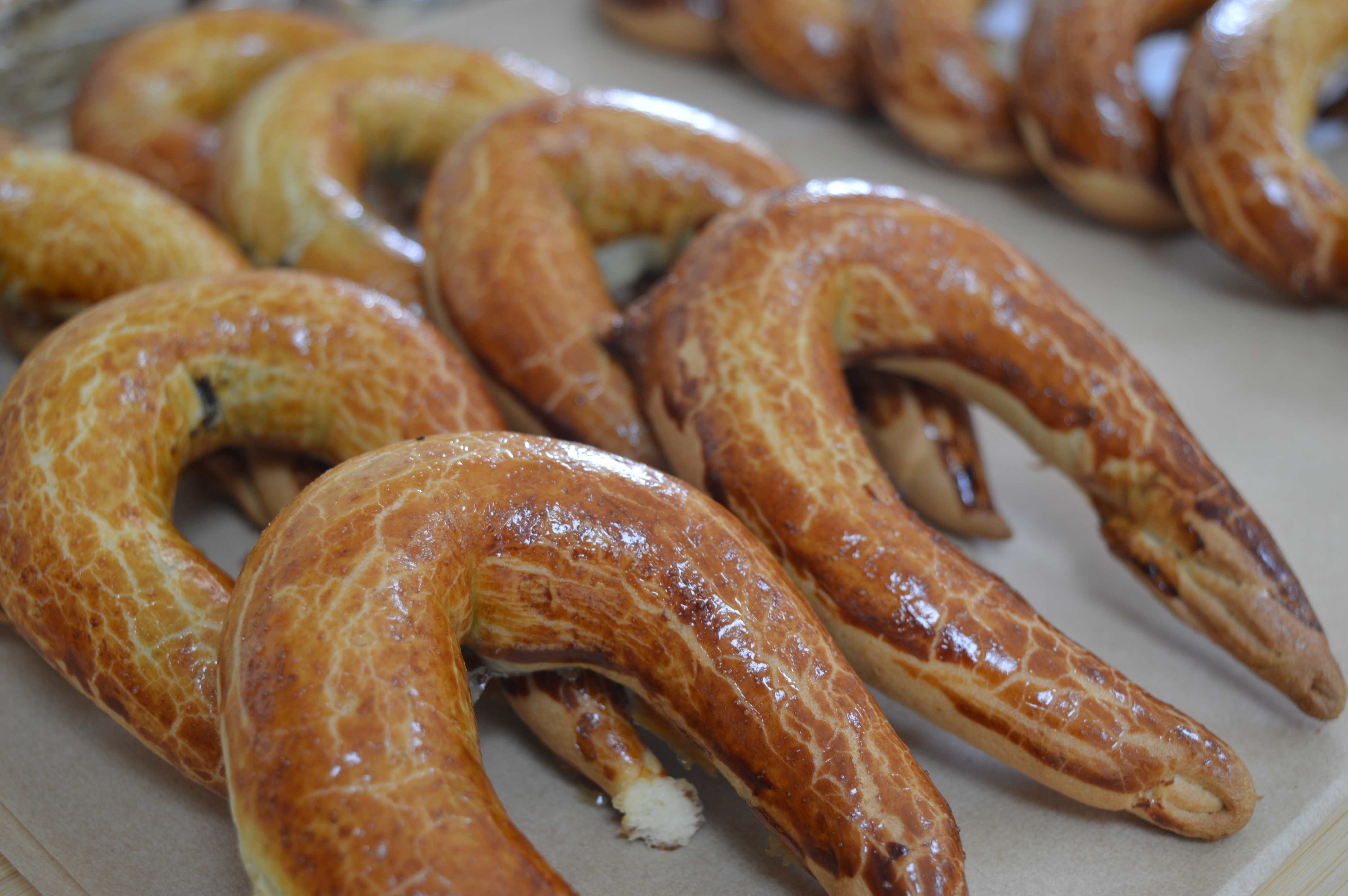
Yet it wasn’t easy to find a bakery in the city of almost 450.000, which would readily provide time and premises for a document I needed for my book. Not all Bratislava bakers use the traditional recipe from 1785, and those who do are too busy promoting their work through large media outlets.
I was lucky though to have met Ján Šimúnek – the owner of FantastiCo – at a Slow Food Pressburg event in Pezinok a few years back. When I approached him with an inquiry for a photoshoot in their craft bakery, he agreed without hesitation. And as I later found out, the family-run company holds the TSG certificate for Bratislavské rožky.
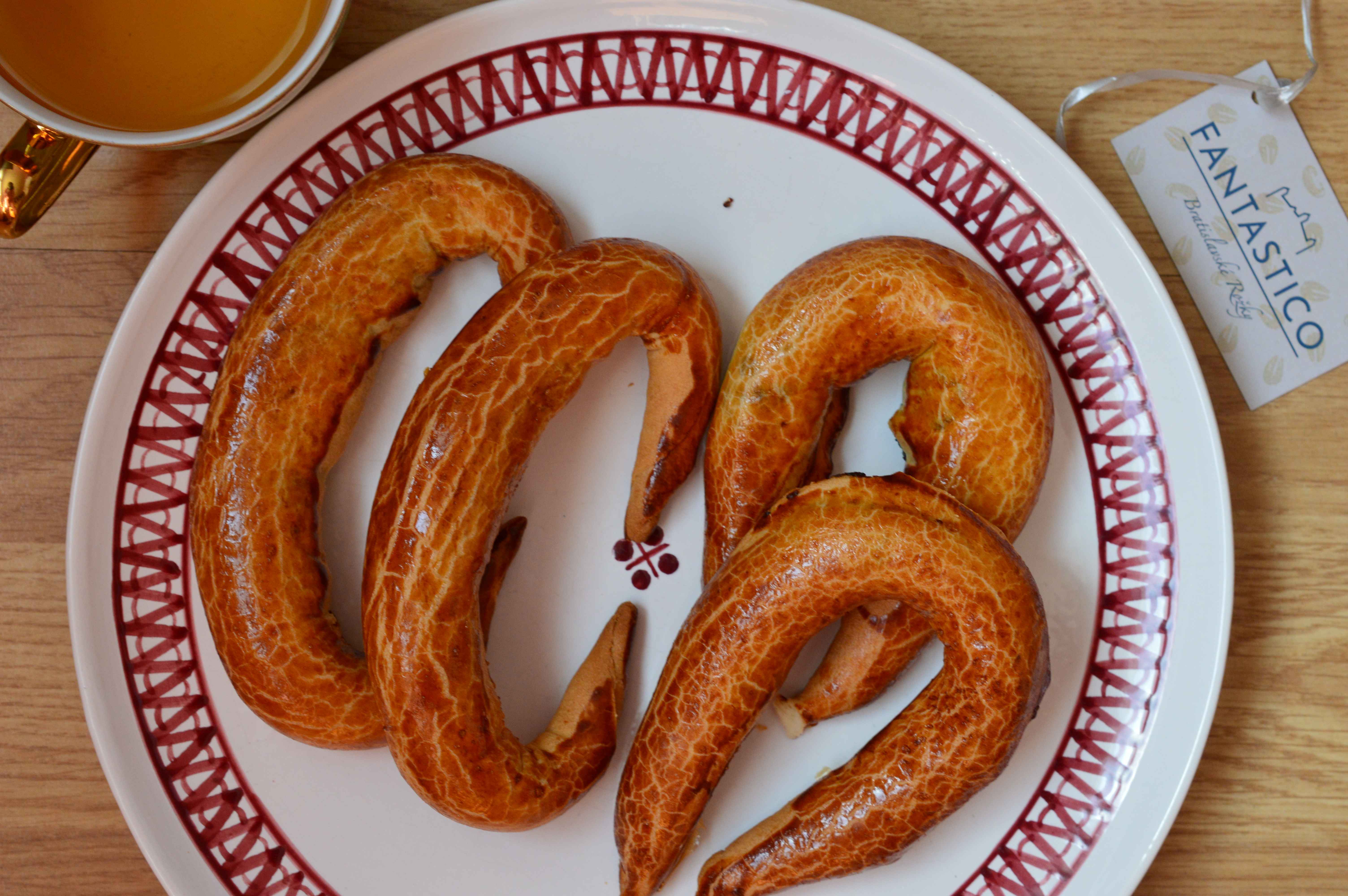
The Traditional Speciality Guaranteed (TSG) label is granted by the EU to products that have a traditional recipe, production method or composition which makes them stand out from other similar products.
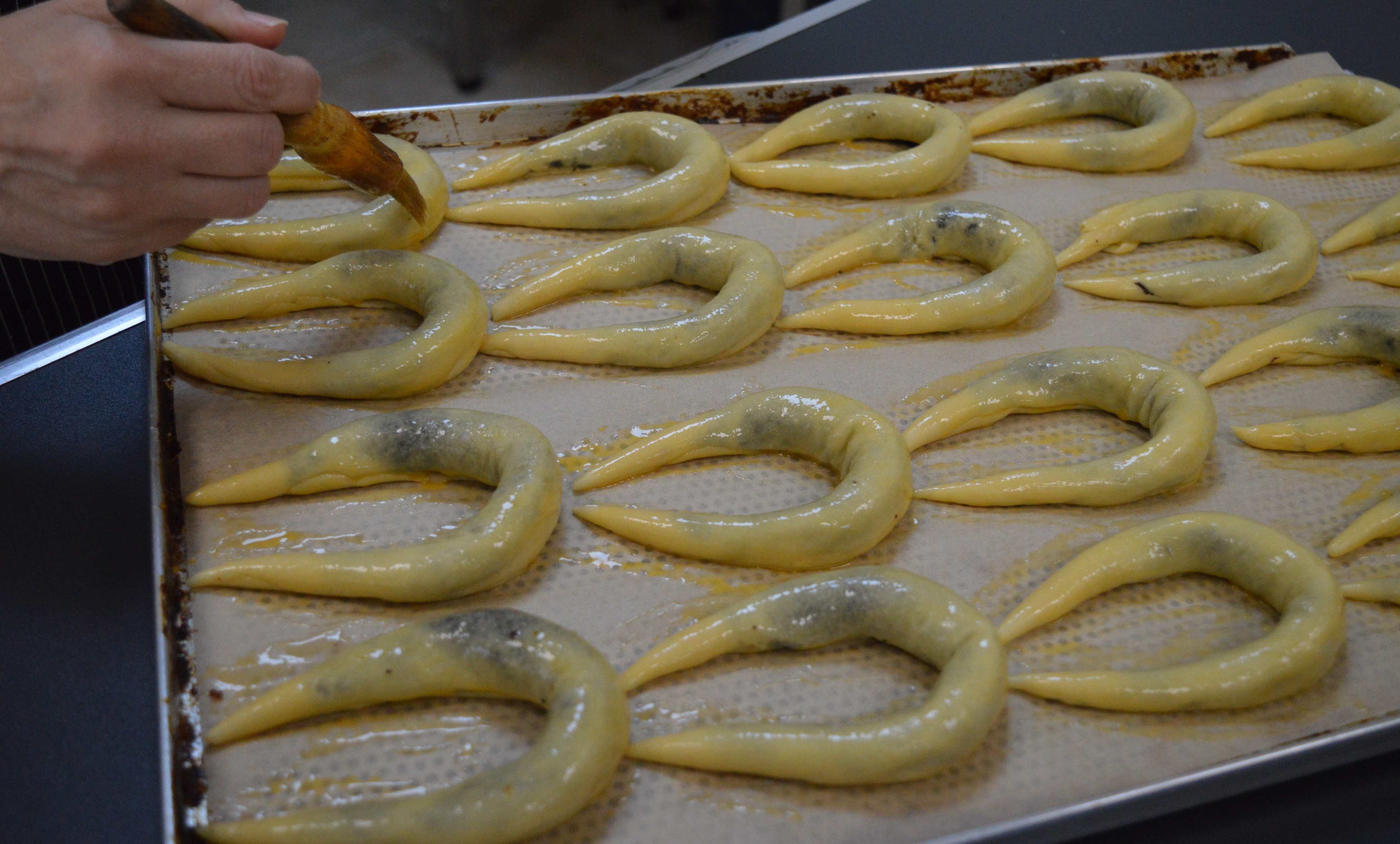
The first thing I noticed after arriving at FantastiCo workshop was a large, immaculately clean room filled with stainless-steel worktops and state-of-the-art equipment. A small team of mostly young people dressed in neat outfits bearing the company logo were in the middle of their everyday routine: dough mixing, kneading, cutting and weighing, applying the fillings, shaping the rolls, baking and packing.
Bratislavské rožky are FantastiCo’s flagship product. To honour the centuries-old tradition and deliver the product of top quality, the management makes sure they are in control of every single stage of production. That includes sourcing of raw ingredients from local farmers.
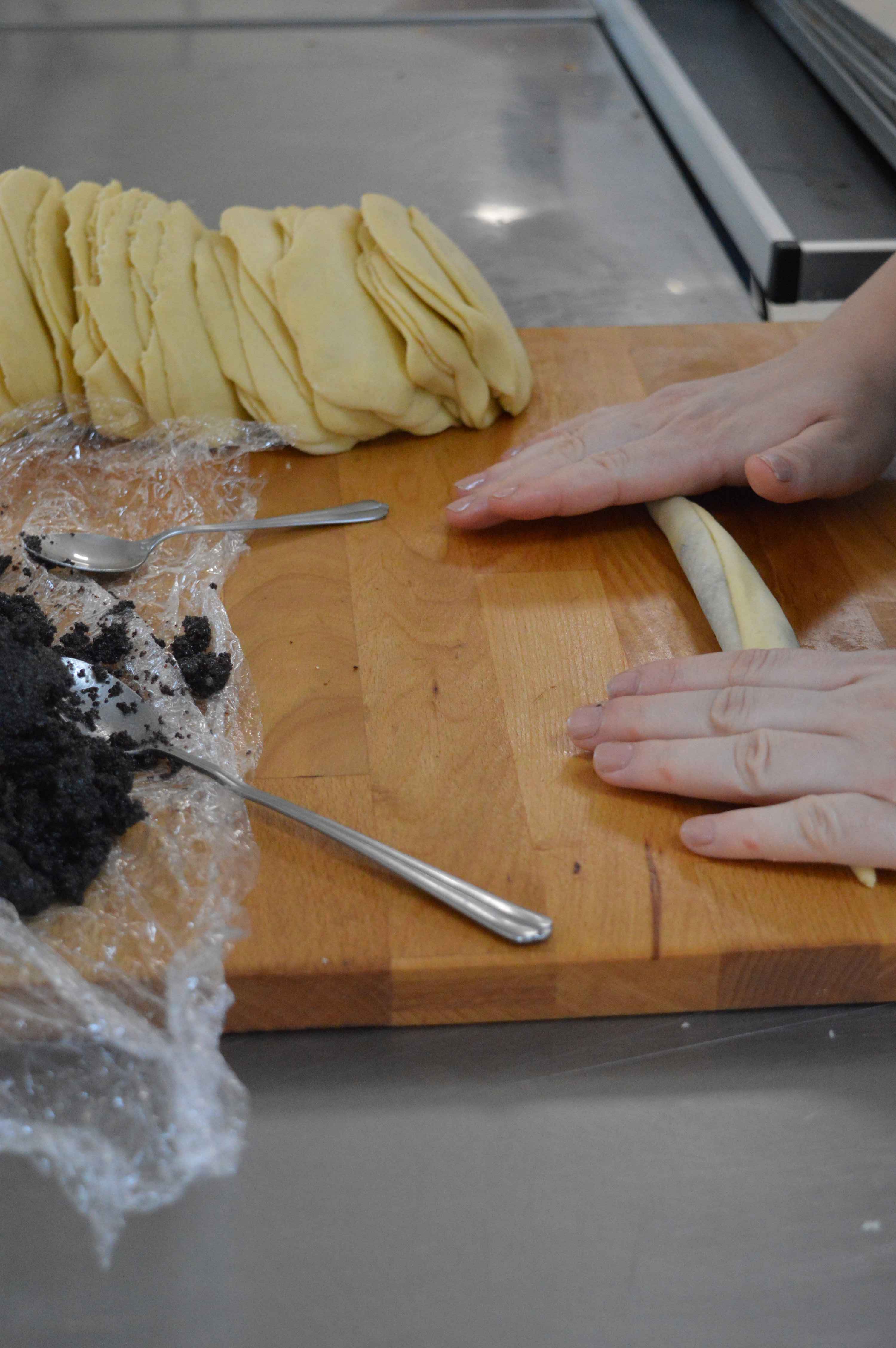
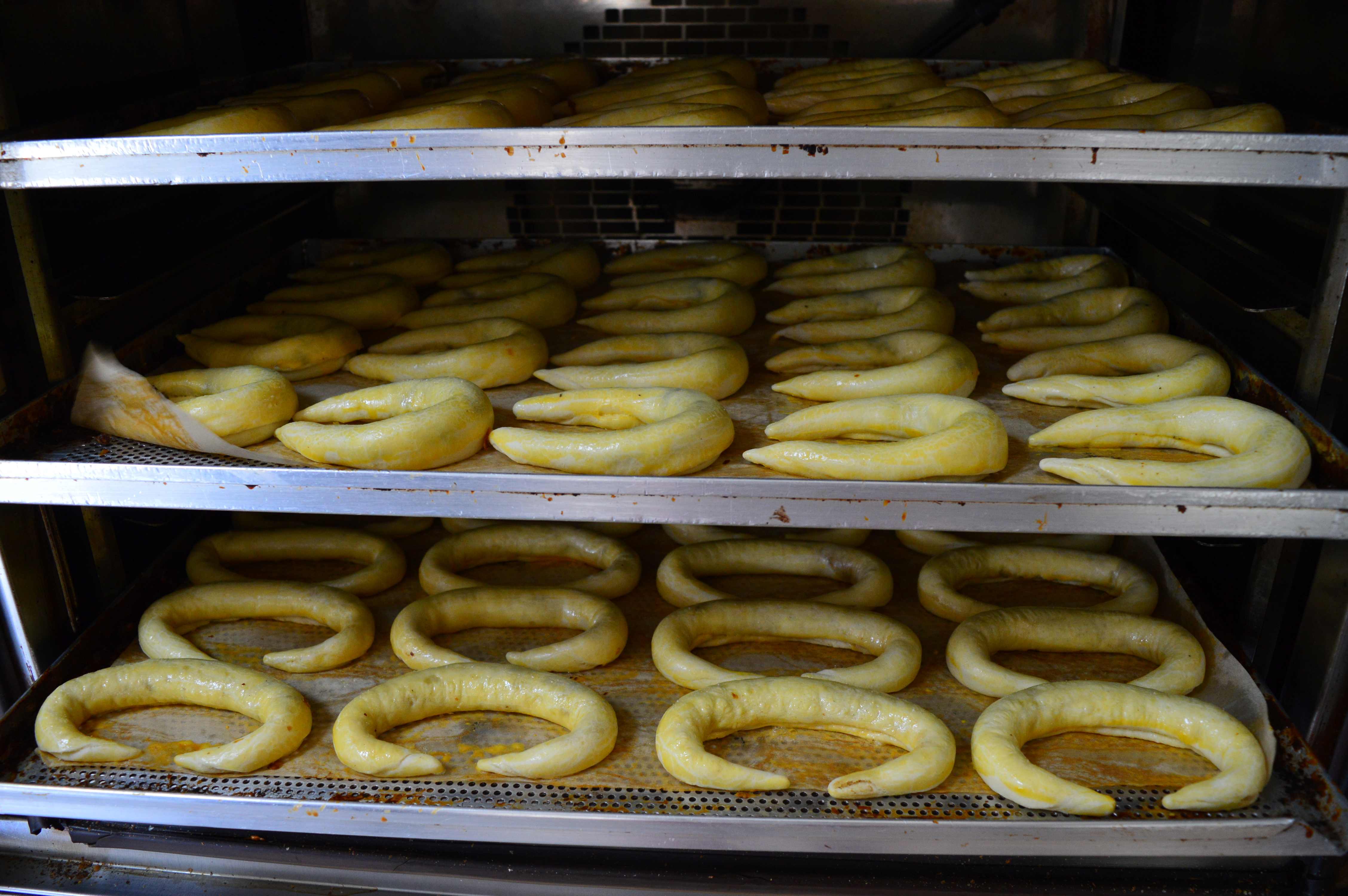
Before the baking phase begins, walnuts and poppyseeds are ground and cooked into thick, pliable fillings. According to the recipe created by master bakers in the 18th century, the filling makes up at least 40% of the roll’s weight. The nut or poppyseed filling is enclosed in a thin layer of rich, yeast-leavened dough, and handcrafted either into a horse shoe or a letter C. The result is a tender, flavourful pastry that melts in the mouth.
when and where it all started
Sweet pastries filled with nuts and poppy seeds were first recorded in the Book of Pressburg’s Master Bakers in 1599. Back then, they were called bagels. Pressburg was the German name for a city that became Bratislava in 1919. Because of the long Hungarian rule, the city was also known by its Hungarian name Pozsony.
In 1876, a local paper published a story about delicious rolls sold at Scheuermann’s bakery on Pressburg’s Main Square. Their reputation quickly spread around the city and a few years later, a lot more bakers were selling Pressburger rolls and shipping them all over the monarchy. Thus Pressburg’s iconic pastry reached Budapest, Trnava, Ostrihom, as well as Viennese imperial court.
a break in the baking tradition
When communists came to power after WWII, privately-owned bakeries disappeared from Bratislava, and so did Bratislavské rožky. Handmade baking tradition of old masters was replaced by a large scale production in newly-built state enterprises. The government had to quickly feed masses after the six years of hardship and hunger. Bratislava’s rolls almost fell into oblivion until about 1995.
the revival and recognition
After the fall of communism in Czechoslovakia, private ownership was restored and small businesses started booming again. Thanks to the Guild of Bakers and Confectioners of Western Slovakia, which was founded in 1993, Bratislavské rožky returned to Slovakia’s capital city. And not only that. The Guild’s management was the main driving force behind the product’s recognition on the European level.
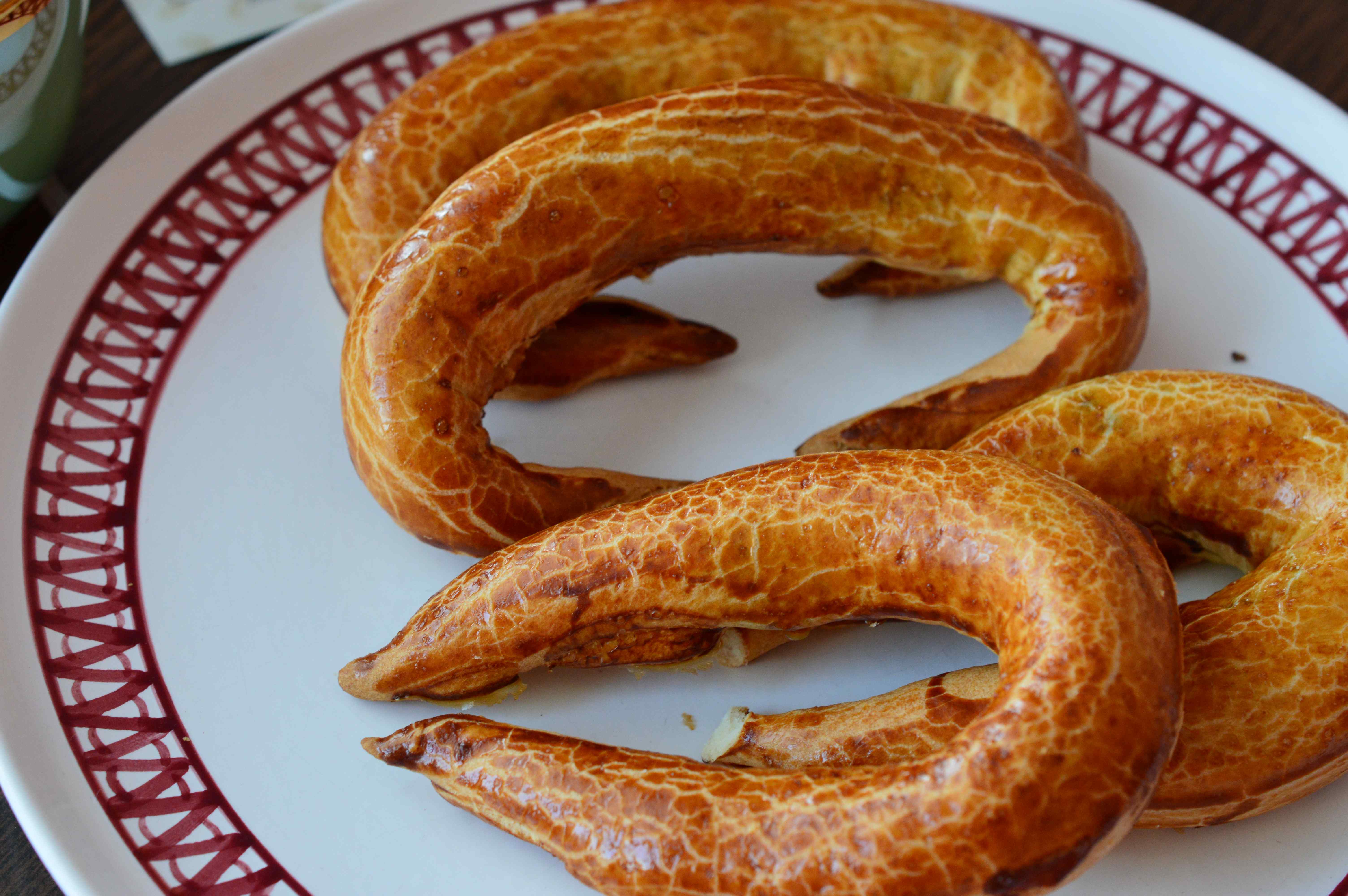
Since 2012, Bratislavský rožok (Bratislava’s roll) has been registered with the EU as a traditional speciality. Because of its strong links to historical Austria-Hungary, the EU suggested that the name Pressburger Kipfel (German) and Pozsonyi Kifli (Hungarian) should also be retained.
following in the footsteps of old masters
I was leaving FantastiCo’s premises with a large batch of photos in my camera and a good feeling that our culinary heritage was well cared for. It’s not only the bakers’ craftsmanship and commitment to quality that make FantastiCo’s Bratislavské rožky so exceptional. It’s also the love they breathe into each piece of dough. As batches of freshly-baked, slender rolls with a glossy, marbled crust come out of the oven, it’s obvious how much pride the company takes in helping preserve the art of our old master bakers.
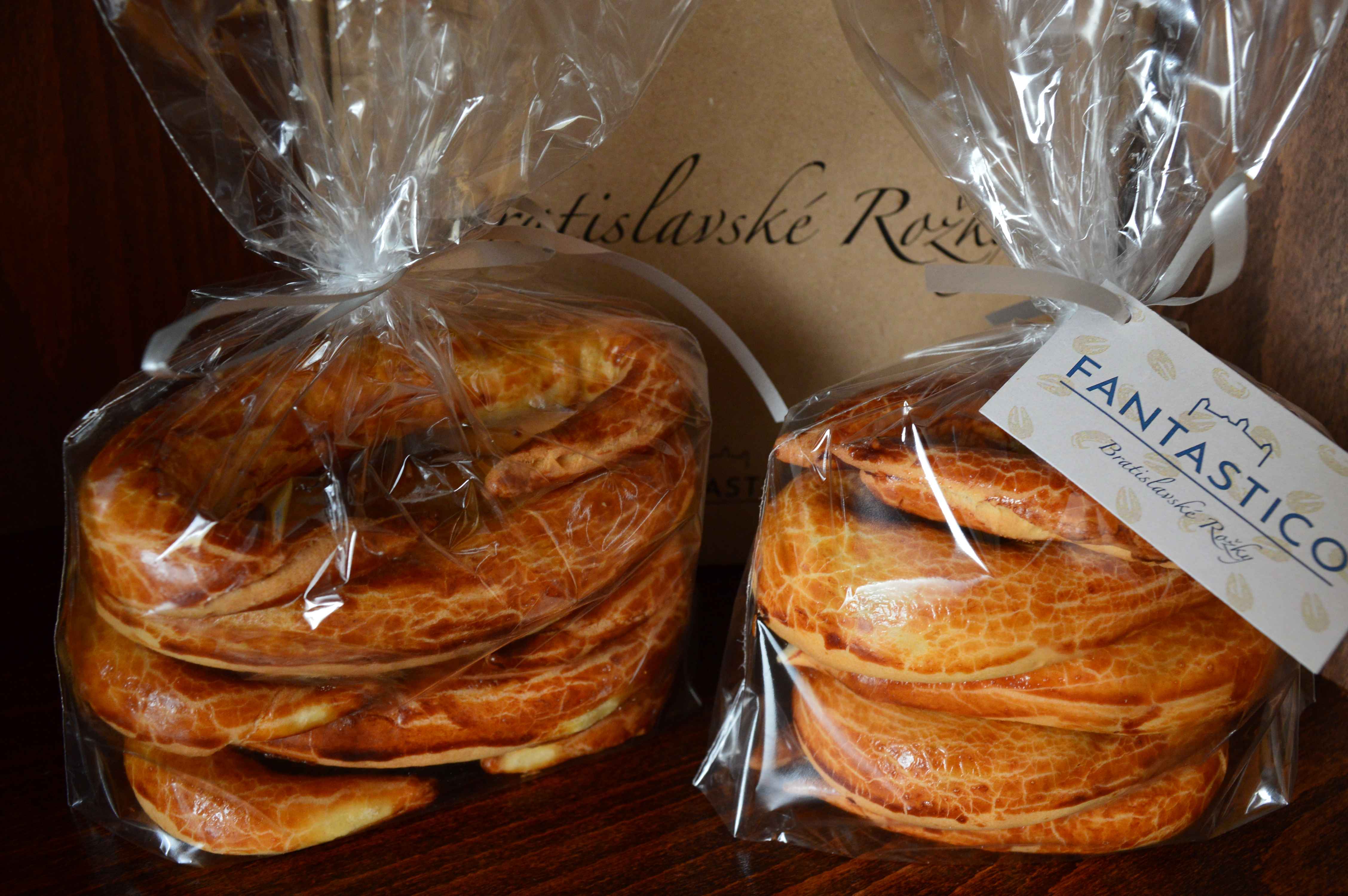
I was happy to include the story of Bratislava’s sweet speciality in the new book. It is a gateway to Bratislava’s food culture and an important part of Central European culinary history.
 cookslovak
Tell us what you think